
Indoor CO2 levels and good wellbeing. CO2 ppm levels indoor
Indoor CO2 levels and good wellbeing. CO2 ppm levels indoor
3/15/20263 min read
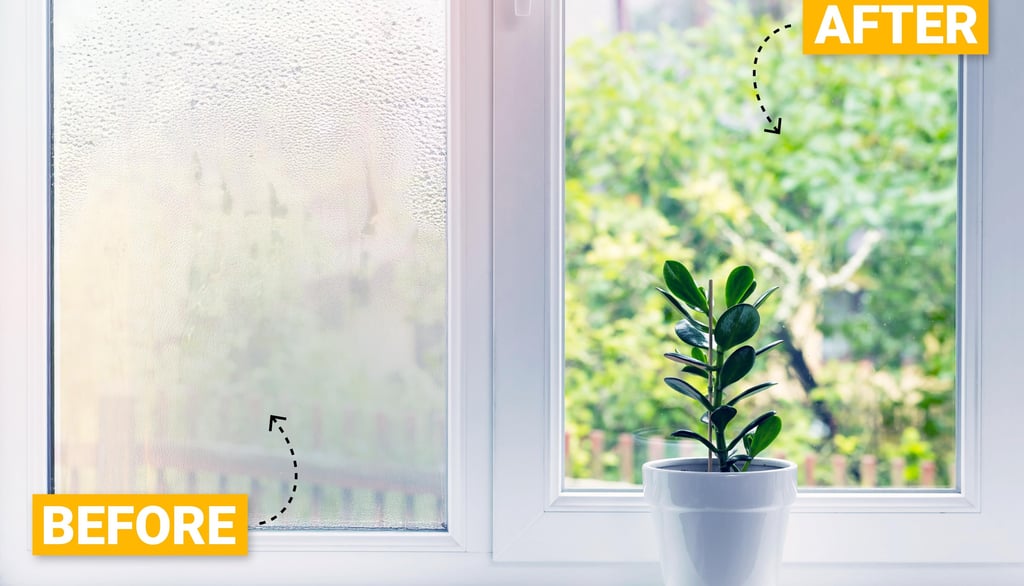
Indoor CO2 levels can have a significant impact on the quality of our sleep. CO2, or carbon dioxide, is a colorless and odorless gas that is a natural byproduct of breathing. In low concentrations, CO2 is not harmful, but when levels start to rise, it can lead to a range of negative health effects, including disrupting our sleep patterns.
high co2 levels in house
When we breathe in air that contains high levels of CO2, it can cause a range of discomforts, including headaches, dizziness, and fatigue. It can also make it more difficult for us to fall asleep and stay asleep throughout the night. This is because high levels of CO2 can lead to a feeling of stuffiness and make it harder to breathe easily, which can cause us to wake up feeling restless and groggy.
co2 ppm levels indoor
Studies have shown that indoor CO2 levels can have a direct impact on the quality of our sleep. In a study published in the Journal of Sleep Research, researchers found that people who slept in rooms with higher CO2 levels experienced more disrupted sleep and woke up feeling more tired than those who slept in rooms with lower CO2 levels. Additionally, people who were exposed to higher CO2 levels also reported more feelings of sleepiness during the day.
So, what can you do to ensure that you're getting a good night's sleep, free from the negative effects of high CO2 levels? The first step is to make sure that your home is properly ventilated. This means opening windows and doors to allow fresh air to circulate throughout your home. Additionally, using an air purifier or an HVAC system with a high-efficiency filter can help to remove CO2 and other pollutants from the air.
You can also take steps to reduce the amount of CO2 that you produce in your home. This includes things like turning off appliances when they're not in use, using energy-efficient light bulbs, and choosing low-emission materials for your home furnishings and finishes.
In conclusion, indoor CO2 levels can have a significant impact on our sleep quality. To ensure that you're getting a good night's sleep, it's important to take steps to reduce CO2 levels in your home, including proper ventilation and reducing your carbon footprint. By doing so, you can improve your overall health and wellbeing and wake up feeling refreshed and energized each morning.
Recommended indoor CO2 level
The recommended indoor CO2 level is typically between 350 to 1000 parts per million (ppm), although some studies suggest that levels should not exceed 800 ppm for optimal health and sleep quality. When indoor CO2 levels exceed 1000 ppm, it can cause discomfort and may lead to negative health effects, including headaches, dizziness, and fatigue. Levels above 5000 ppm are considered to be unsafe and can cause more serious health problems, including unconsciousness and even death in extreme cases. It's important to monitor indoor CO2 levels to ensure that they remain within the recommended range for optimal health and wellbeing.
Mechanical Ventilation with Heat Recovery (MVHR) is a ventilation system that helps to reduce indoor CO2 levels by removing stale air from inside a building and replacing it with fresh, clean air from outside. The system works by using a heat exchanger to transfer heat from the outgoing stale air to the incoming fresh air, which helps to reduce energy consumption and costs associated with heating and cooling.
MVHR systems help to reduce indoor CO2 levels
MVHR systems can help to reduce indoor CO2 levels by increasing the flow of fresh air into a building and removing stale air, which contains higher concentrations of CO2. This can help to maintain indoor CO2 levels within the recommended range of 350 to 1000 ppm, promoting better indoor air quality and improving the health and wellbeing of occupants.
Additionally, MVHR systems can also help to remove other indoor pollutants, such as volatile organic compounds (VOCs), which can be released from building materials, furniture, and other household items. By removing these pollutants from the air, MVHR systems can help to create a healthier and more comfortable indoor environment.
Overall, MVHR systems can be an effective way to reduce indoor CO2 levels and improve indoor air quality. However, it's important to ensure that the system is installed and maintained correctly to ensure that it operates effectively and efficiently. It's also important to monitor indoor CO2 levels regularly to ensure that they remain within the recommended range for optimal health and wellbeing.