Impact of Additional Control Boards on MVHR Systems: Is It Worth It?
5/9/20267 min read
Understanding MVHR Systems
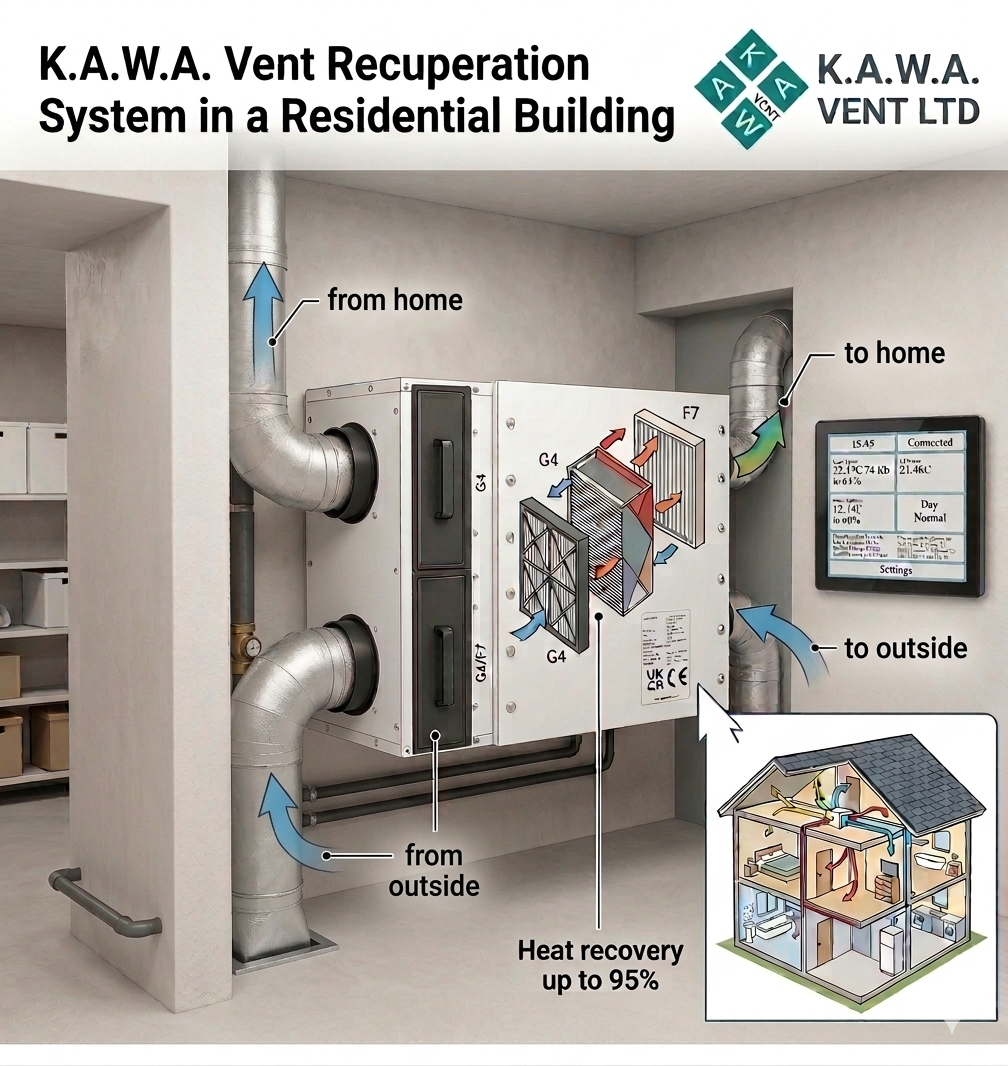
Mechanical Ventilation with Heat Recovery (MVHR) systems represent a significant advancement in maintaining indoor air quality while enhancing energy efficiency within buildings. These systems function by exchanging stale indoor air with fresh outdoor air. However, rather than allowing this energy to be wasted, MVHR systems are designed to recover heat from the outgoing air and transfer it to the incoming air, ensuring that buildings remain comfortable without unnecessary energy consumption.
The key components of an MVHR system include heat exchangers, fans, and ductwork. The heat exchanger plays a crucial role as it facilitates the transfer of temperature between the outgoing and incoming airstreams without them mixing. This ensures that the heat from the warm indoor air is used to pre-warm the incoming, cooler air from outside, thereby minimizing the heating requirements of a building. The efficiency with which this exchange occurs can significantly impact overall energy performance.
Fans are another essential element of MVHR systems. They distribute the air throughout the ductwork, which is specifically designed to deliver fresh air to living spaces while extracting stale air. This distribution relies on a well-planned network of ducts that minimize air resistance and support optimal airflow rates. Proper sizing and design of these ducts are critical to prevent noise and ensure efficiency.
In essence, MVHR systems are indispensable for modern buildings striving to meet stringent energy-saving standards and indoor air quality regulations. By effectively balancing the intake of fresh air and the expulsion of stale air, these systems not only promote a healthier environment but also contribute significantly to energy conservation. Understanding these principles is vital for those considering the implementation of MVHR technology in their properties.
The Role of Control Boards in MVHR Systems
Mechanical Ventilation with Heat Recovery (MVHR) systems are essential in maintaining indoor air quality while optimizing energy efficiency in buildings. A critical component of these systems is the control board, which functions as the central nervous system for the MVHR unit. The primary role of control boards is to manage various operational aspects, including ventilation rates and temperature settings, thus ensuring that the system operates at optimal performance.
Control boards assess indoor air quality and adjust the ventilation rates accordingly. They utilize sensors to measure carbon dioxide levels, humidity, and temperature. Based on these metrics, the control board can increase or decrease the airflow to maintain a balanced environment. This dynamic management not only contributes to comfort but also to energy savings by preventing excessive heating or cooling. Consequently, enhanced control leads to better efficiency, making the operational costs of MVHR systems more manageable.
Moreover, several types of control boards are available, ranging from simple models with basic functions to advanced systems capable of integrating with smart home technology. The basic control boards might offer manual adjustments or simple programs for operation. In contrast, advanced boards incorporate Wi-Fi connectivity, allowing users to monitor and control their MVHR systems remotely. This integration with smart technology represents a significant advancement, enabling predictive maintenance and adaptive control based on user behavior and preferences.
In contemporary MVHR installations, the seamless integration of control boards not only enhances system functionality but also supports the overall goal of energy-efficient building design. By optimizing ventilation rates and temperature settings, control boards significantly contribute to the overall effectiveness and longevity of MVHR systems, underscoring their pivotal role in modern architecture.
Benefits of Adding Additional Control Boards
Integrating additional control boards into Mechanical Ventilation with Heat Recovery (MVHR) systems offers several advantages that can significantly elevate system performance. One of the primary benefits is the improved accuracy in temperature control. With enhanced control boards, the system can precisely monitor internal temperatures and adjust airflow rates accordingly. This ensures that building occupants remain comfortable, correlating directly with increased satisfaction and health.
Moreover, these additional control boards enhance the MVHR system's adaptability to changing environmental conditions. For instance, during periods of extreme weather, the system can intelligently modulate its operation based on real-time data collected from external sensors. This capability not only helps maintain optimal indoor air quality but also reduces the likelihood of system strains during peak performance times.
One of the compelling advantages of implementing these boards is the potential for energy savings. Advanced control boards enable more efficient operation of the MVHR system by optimizing fan speeds and reducing energy consumption when full capacity is unnecessary. This efficiency translates into lower utility bills and a diminished environmental impact, aligning with growing trends in sustainability.
Additionally, additional control boards facilitate remote monitoring and management of MVHR systems. By integrating these systems with modern building management technologies, operators can access real-time data and control settings from virtually anywhere. This function allows for timely adjustments, predictive maintenance, and overall better performance management, ensuring that systems are operating at peak efficiency and addressing issues before they escalate.
In conclusion, the advantages of adding control boards to MVHR systems extend beyond merely enhancing temperature regulation. They encompass improved adaptability, energy savings, and the feasibility of remote oversight—all of which contribute to a more efficient and user-friendly environment.
Challenges and Drawbacks of Additional Control Boards in MVHR Systems
While integrating additional control boards into Mechanical Ventilation with Heat Recovery (MVHR) systems can offer advanced functionality and customization, it also presents several potential challenges and drawbacks that must be considered. One of the most significant issues is the increased installation costs. Incorporating extra control boards necessitates additional components, which may lead to higher expenses for both equipment and labor. Homeowners and building managers must assess whether the potential benefits justify these costs.
Another challenge is the complexity in system management. The introduction of additional control boards often requires a more sophisticated understanding of the MVHR system's operation, which can lead to difficulties in management and troubleshooting. For technicians, this complexity means that specialized training may be needed to ensure that the installation and future maintenance are handled correctly. This could further escalate the investment required to effectively implement the additional boards.
Compatibility issues may also arise during the integration of new control boards, particularly if the existing MVHR system is older or not designed to support modern controls. Ensuring seamless interaction between existing and new components can be a challenge, potentially necessitating further upgrades to other parts of the system. Furthermore, regular maintenance and software updates become crucial to prevent malfunctions, as the more complex system is susceptible to issues that simpler configurations may not encounter.
In conclusion, while the addition of control boards to MVHR systems provides enhanced capabilities, it is vital to carefully weigh the associated challenges, such as cost, complexity, compatibility, and maintenance needs, to determine if the investment is worthwhile.
Cost-Benefit Analysis of Additional Control Boards
The implementation of additional control boards in Mechanical Ventilation with Heat Recovery (MVHR) systems represents a significant financial commitment. However, the costs associated with such an investment must be weighed against the potential benefits that enhanced performance and efficiency can yield. One primary factor contributing to the cost is the purchase price of the control boards themselves, along with installation costs and ongoing maintenance. These initial expenses can range widely, depending on the complexity and sophistication of the control board in question.
When conducting a cost-benefit analysis, it is vital to consider the efficiencies gained from improved operational management of the MVHR systems. Additional control boards can optimize the system's performance by adjusting ventilation rates according to real-time indoor air quality metrics, thereby reducing energy consumption. For instance, a building utilizing an advanced control system can experience energy savings of up to 30% compared to a standard setup without such controls. This translates directly into lower energy bills, contributing to a favorable return on investment (ROI) over time.
Moreover, scenarios exist where the investment in additional control boards is justified beyond mere energy savings. For example, in commercial buildings where indoor air quality standards must be maintained rigorously, enhanced control mechanisms can provide ongoing compliance, thus avoiding possible fines or the need for costly retrofits later. Such benefits can far outweigh the initial expenditures, especially when viewed through the lens of long-term operational savings and compliance mandates.
In essence, while upfront costs are a consideration, the long-term advantages of enhanced efficiency and performance resulting from additional control boards often render the investment worthy. Stakeholders should thoroughly evaluate their specific conditions to make informed financial decisions that consider both immediate costs and future benefits.
Case Studies: Real-World Applications
To understand the impact of additional control boards on Mechanical Ventilation with Heat Recovery (MVHR) systems, several case studies have been examined. These studies provide valuable insights into how supplementary control mechanisms can enhance system performance, improve indoor air quality, and maximize energy efficiency.
One representative case study was conducted in a residential building retrofitted with an advanced MVHR system that included additional control boards. The facility management team reported a significant decrease in energy consumption, approximately 20%, due to the optimized scheduling and operational efficiency facilitated by the new controls. The flexibility of the system allowed for real-time adjustments based on occupancy patterns, which positively affected energy savings and reduced utility costs.
Another notable example involved a commercial office space where additional control boards were integrated to manage the MVHR system more effectively. The results indicated an improvement in indoor air quality, evidenced by reduced levels of carbon dioxide and volatile organic compounds (VOCs). Employee surveys conducted post-implementation revealed an increase in overall satisfaction levels, attributing the enhanced workplace environment to the better performance of the ventilation system.
Further analysis showed that integrating additional control boards not only streamlined the system's operations but also equipped it with advanced monitoring capabilities. This integration allowed facility managers to conduct detailed assessments of air quality and energy use over time, ensuring that the MVHR system operated at peak performance and continued adapting to changing needs.
These case studies indicate that the implementation of additional control boards in MVHR systems can lead to tangible benefits, including improved air quality, significant energy savings, and enhanced user satisfaction. The evidence suggests that investing in such technological enhancements is a worthwhile consideration for various residential and commercial applications.
Final Thoughts: Is it Worth It?
The impact of additional control boards on Mechanical Ventilation with Heat Recovery (MVHR) systems can be significant, improving efficiency and tailored operation. Throughout this discussion, we have explored various aspects of how these control boards contribute to energy management, user comfort, and system adaptability. Adding control boards can facilitate enhanced control over air flows and temperatures, thus optimizing the effectiveness of the MVHR system. This can be particularly beneficial in settings that require precise ventilation management.
Moreover, the investment in extra control boards can provide advanced features such as remote monitoring and integration with home automation systems, presenting a compelling argument for those looking to elevate their indoor air quality management. However, potential users must also weigh the costs associated with installation and maintenance against these benefits. For some, the return on investment may not justify the additional expense, especially in smaller or less complex systems.
Ultimately, whether it is worth adding control boards to an MVHR system depends on the specific requirements and context of the building. Factors such as the building’s size, ventilation needs, and budget constraints will play a critical role in this decision-making process. It is essential for homeowners and facility managers to assess their unique circumstances and objectives. By carefully considering these elements, informed choices can be made that align with both immediate needs and long-term sustainability goals. Therefore, the addition of control boards can be advantageous, but it is not universally a necessity for every MVHR system. Each situation warrants individual evaluation to determine the most appropriate approach.