
The Advantages of Mechanical Ventilation with Heat Recovery (MVHR) Over Positive Input Ventilation (PIV)
3/15/20268 min read
Understanding MVHR and PIV
Mechanical Ventilation with Heat Recovery (MVHR) and Positive Input Ventilation (PIV) are two distinct ventilation systems commonly used in both residential and commercial spaces. Each system has its specific function, design, and operational mechanics aimed at improving indoor air quality and comfort.
MVHR systems are designed to provide a continuous supply of fresh air while simultaneously recovering heat from the stale air being expelled from the building. This process is achieved through the use of a heat exchanger, which transfers heat between the incoming and outgoing air streams, helping to maintain a stable indoor temperature. MVHR systems are particularly effective in well-insulated buildings where a balance of fresh air and thermal efficiency is crucial.
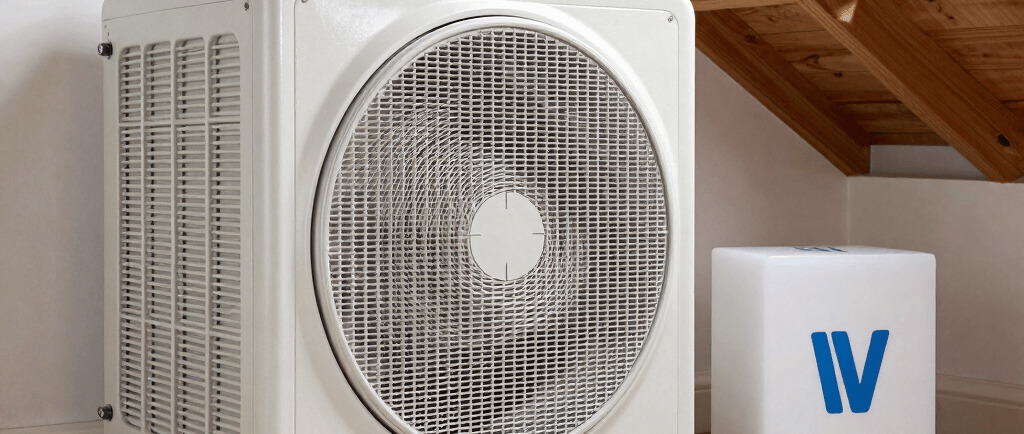
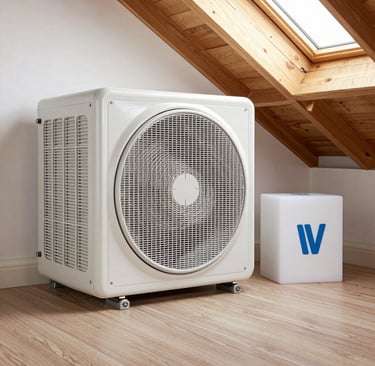
On the other hand, Positive Input Ventilation (PIV) operates on a simpler principle. This system introduces fresh air into the home, typically from the loft space, using a fan. By creating positive pressure, PIV encourages stale air to escape from the building through existing gaps, thereby improving air circulation. While PIV can help reduce humidity and improve general air quality, it does not have the capability to recover heat, which may lead to higher heating costs during colder months.
To summarize, MVHR is an advanced ventilation solution that not only ensures fresh air supply but also focuses on energy efficiency through heat recovery. Conversely, PIV is a more basic system that emphasizes airflow without the added benefit of thermal exchange. Recognizing these fundamental differences is essential for understanding the subsequent advantages of MVHR over PIV in various applications.
Energy Efficiency: The MVHR Advantage
Mechanical Ventilation with Heat Recovery (MVHR) systems present notable energy efficiency benefits compared to Positive Input Ventilation (PIV) systems. One of the key advantages of MVHR technology is its ability to recover heat from the exhaust air, which is then used to pre-warm incoming fresh air. This process significantly lowers the energy demand for heating, optimizing the overall efficiency of residential and commercial heating systems.
Statistical data reveals that MVHR systems can achieve efficiency rates of over 90%, allowing for reduced heating costs during colder months. For instance, a case study in a residential building showed a 30% decrease in annual heating bills after the installation of an MVHR system. By efficiently reusing energy that would otherwise be wasted, MVHR technologies present a compelling case for energy-conscious homes and institutions.
In contrast, PIV systems primarily focus on the introduction of fresh air into an indoor environment but do not recover heat. As a result, while PIV is effective for ventilation, it can lead to increased energy consumption when external temperatures drop, as the heating system must compensate for the lost warmth. Homes equipped with PIV often see higher heating costs, particularly in climates with significant seasonal variations.
Moreover, the integration of MVHR systems can contribute to improved indoor air quality without incurring excessive energy costs. Properly managed heat recovery reduces the need for additional heating, thus lowering the carbon footprint associated with maintaining comfortable indoor temperatures.
Ultimately, the choice between MVHR and PIV systems hinges upon the desired balance between ventilation effectiveness and energy efficiency. MVHR offers a more sustainable and cost-effective solution, particularly in modern buildings where energy conservation is a priority.
Indoor Air Quality: How MVHR Surpasses PIV
Indoor air quality (IAQ) is an essential consideration for any building, as it directly impacts the health and well-being of occupants. Mechanical Ventilation with Heat Recovery (MVHR) systems are designed to enhance IAQ more effectively than Positive Input Ventilation (PIV) systems. One of the primary advantages of MVHR systems is their ability to continuously filter and control pollutants, providing a healthier living environment.
MVHR systems utilize heat exchangers to recover heat from the exhausted indoor air, which is then transferred to incoming fresh air. This process not only conserves energy but also ensures that the indoor air being introduced into the living spaces is free from harmful contaminants. The filtering mechanism integrated into MVHR units captures a wide range of airborne particles, including dust, pollen, mold spores, and other allergens. In contrast, PIV systems primarily introduce fresh air into the environment but do not provide the same level of filtration, potentially allowing allergens and pollutants to circulate within the home.
Moreover, MVHR systems maintain consistent indoor air quality by providing a steady supply of fresh air across different rooms, creating a balanced environment. This contrasts with PIV systems, which may lead to uneven ventilation, resulting in stuffy or poorly circulated spaces. With MVHR, the continuous exchange of air is coupled with energy efficiency, as the system recovers heat, reducing overall heating demands in colder climates.
Ultimately, for buildings that prioritize air quality—such as healthcare facilities or homes with allergy sufferers—the advantages of MVHR systems become even more pronounced. They ensure that indoor air is not just plentiful, but clean and conducive to health. By effectively filtering out harmful pollutants and allergens, MVHR represents a superior option compared to traditional PIV systems, particularly in urban areas where air quality can be compromised.
Humidity Control: The Edge of MVHR
Mechanical Ventilation with Heat Recovery (MVHR) systems provide a significant advantage in managing indoor humidity levels compared to Positive Input Ventilation (PIV) systems. One of the primary concerns in any indoor environment is maintaining optimal humidity to prevent issues such as condensation and mold growth. MVHR systems are engineered to efficiently extract excess moisture from the air, which significantly minimizes the risk of these problems.
In residential settings, high humidity can lead to the development of mold, especially in areas that are prone to dampness, such as bathrooms and kitchens. MVHR systems utilize a continuous flow of fresh, filtered air, while simultaneously expelling stale, humid air. This dual-action not only reduces the overall humidity but also ensures that air quality remains high. In contrast, PIV systems may introduce fresh air indirectly, without accounting for existing moisture levels. As a result, while PIV can help with ventilation, it does not effectively address humidity issues, leaving occupants at risk of discomfort and health-related problems caused by damp conditions.
Furthermore, research indicates that maintaining appropriate humidity levels is crucial for overall comfort and health. According to experts, the ideal indoor humidity should be kept between 40% and 60%. Factors such as personal activities, weather, and building design can create fluctuations that MVHR systems are specifically designed to handle. For instance, during colder months, when condensation is more likely, MVHR can adjust airflow to ensure that humidity levels stay within the recommended range.
In summary, the superior humidity control offered by MVHR systems not only protects against mold growth and condensation but also fosters a more comfortable and healthier living environment. By effectively managing indoor humidity, MVHR systems stand out as an optimal choice over PIV solutions in residential settings.
When considering indoor air quality systems, one of the critical factors to evaluate is the noise levels produced by the equipment. Mechanical Ventilation with Heat Recovery (MVHR) and Positive Input Ventilation (PIV) systems offer distinct advantages, but their operational noise can significantly impact user experience and overall satisfaction.
MVHR systems are designed for quiet operation by utilizing advanced fan technology and sound-dampening components. These systems typically include variable-speed motors that adjust to the requirements of the space, thereby minimizing unnecessary noise production. Consequently, MVHR units often operate at a lower decibel level compared to PIV systems, leading to a more pleasant living environment. Users have reported that the gentle hum of the MVHR unit becomes a non-intrusive background noise, which is preferable for many households.
On the other hand, PIV systems can sometimes generate more noticeable noise due to their constant operation and reliance on more traditional fan technology. The fan noise can be exacerbated if the system is poorly installed or placed in areas where sound transmission is more pronounced, such as hallways or close to living spaces. Again, user feedback indicates that some find PIV devices less favorable, especially in quieter settings where noise can be easily perceived.
Moreover, the placement of these systems plays a vital role in noise production. Strategically installing an MVHR unit away from commonly occupied spaces can further reduce the impact of noise. Additionally, the design of MVHR units often incorporates features that help to isolate sound transmission. Comparatively, many PIV systems lack these design innovations, leading to further potential noise issues.
Surveys conducted among homeowners reveal a preference for MVHR systems largely due to their quieter operation. Users frequently express satisfaction with improved comfort levels, largely attributed to the effective management of indoor air quality without intrusive noise interruptions. Thus, noise levels not only affect day-to-day living but can ultimately influence the choice between these two ventilation strategies.
Installation Considerations: MVHR vs PIV
When considering the installation of ventilation systems, both Mechanical Ventilation with Heat Recovery (MVHR) and Positive Input Ventilation (PIV) offer unique characteristics that affect their deployment. Understanding the installation processes is crucial for making informed decisions based on complexity, required space, and total costs associated with each system.
MVHR systems typically involve a more complex installation process due to the need for ductwork that connects rooms to the central unit. This complexity can necessitate professional assistance to ensure proper design and installation. The ductwork must be routed effectively to enable the most efficient heat recovery and ventilation. Consequently, buyers should anticipate a requirement for significantly more space compared to PIV systems, especially if installing in existing structures where framing and layout constraints may be present. Additionally, MVHR systems usually come with a higher initial cost, which includes the purchase of the unit and installation labor.
In contrast, PIV systems are generally simpler to install. They consist of a single unit that introduces fresh air into the home and can often be retrofitted into existing structures without extensive modifications to ductwork. This ease of installation results in lower labor costs and a faster installation time frame, appealing to homeowners looking for swift solutions. However, while PIV systems are less costly in terms of installation, they may not achieve the same level of energy efficiency as MVHR systems, which can offset some upfront price advantages in the long run.
When evaluating both options, potential installation challenges must also be considered. MVHR systems may encounter issues with external space for the unit and duct routes, whereas PIV systems may face limitations in air quality improvement depending on the existing building’s ventilation characteristics. Understanding these factors is essential for determining the most appropriate system for a specific environment.
Conclusion: Making the Right Choice for Your Home
Choosing the appropriate ventilation system for your home involves critical evaluation of both Mechanical Ventilation with Heat Recovery (MVHR) and Positive Input Ventilation (PIV) systems. Both options are designed to improve indoor air quality, but they operate on different principles, each offering unique advantages based on individual household needs.
MVHR systems excel in energy efficiency by recovering heat from stale air and transferring it to incoming fresh air. This not only reduces heating costs but also maintains a comfortable indoor climate during colder months. Furthermore, MVHR can control humidity levels more effectively, thereby reducing the risk of mold growth, which can be a concern in well-insulated homes. In contrast, while PIV systems work by introducing filtered fresh air into the home, they may not provide the same level of humidity and temperature control. Hence, for homes that require substantial air quality improvements while managing energy consumption, MVHR systems present a compelling case.
It is essential for homeowners to assess their specific ventilation needs prior to making a decision. Factors such as the local climate, the layout of the home, and existing insulation will influence the effectiveness of either system. Furthermore, consulting with ventilation experts can provide invaluable insights tailored to individual circumstances. They can perform assessments and suggest appropriate solutions, ensuring that your choice aligns seamlessly with your home’s requirements.
In summary, the advantages of MVHR systems—energy efficiency, superior air quality management, and enhanced comfort—highlight their position as a preferred choice over traditional PIV systems for many homeowners. Evaluating your options and seeking expert advice can lead to a healthy and comfortable living environment.