
Basic idea of MVHR system mechanical heat recovery ventilation
Basic idea of MVHR system mechanical heat recovery ventilation
3/15/20261 min read
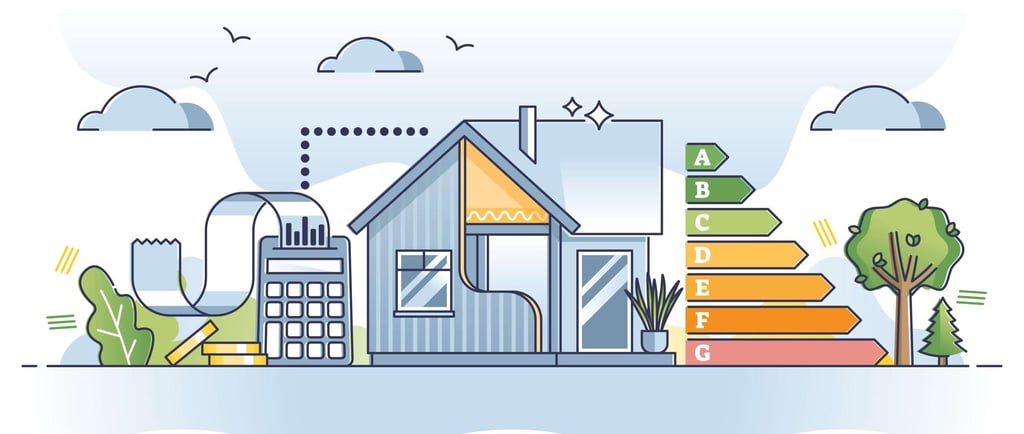

MVHR stands for Mechanical Ventilation with Heat Recovery. It is a ventilation system that provides fresh air to a building while recovering the heat from the outgoing stale air. The basic idea of an MVHR system is to improve indoor air quality and energy efficiency in buildings by exchanging heat between the incoming and outgoing air streams. mvhr ventilation
The key components of an MVHR system include:
Supply Air Intake: Fresh outdoor air is drawn into the system through supply air intakes, usually located on the roof or facade of the building.
Exhaust Air Outlet: Stale indoor air is extracted from the building through exhaust air outlets, typically located in kitchens, bathrooms, and utility rooms.
Heat Exchanger: The heart of the MVHR system is the heat exchanger, which is responsible for transferring heat from the outgoing air to the incoming air. There are various types of heat exchangers used in MVHR systems, including plate heat exchangers and rotary heat exchangers.
Air Distribution: The fresh outdoor air and the recovered exhaust air are then distributed throughout the building via a network of ducts and diffusers. This ensures that every room in the building receives a supply of fresh, filtered air while maintaining a balanced airflow.
Controls: MVHR systems are typically equipped with controls that allow for adjustments to airflow rates, temperature settings, and fan speeds. These controls help to optimize the system's performance and ensure that it operates efficiently.
The basic principle behind an MVHR system is to recover the heat from the exhaust air before it is released to the outside, and use it to preheat or precool the incoming fresh air. This helps to reduce the energy required to heat or cool the incoming air, leading to energy savings and improved thermal comfort in the building. Additionally, MVHR systems also help to filter the incoming air, removing pollutants and allergens, which can lead to better indoor air quality and a healthier living environment.